Serial TV Remake yang Mampu Memikat Generasi Baru – Dalam beberapa tahun terakhir, banyak serial TV klasik yang mendapatkan remake untuk menarik perhatian generasi baru. Remake ini bukan hanya sekadar menghadirkan cerita yang sama, tetapi juga menambahkan sentuhan modern yang relevan dengan zaman sekarang. Berikut adalah beberapa serial TV remake yang mampu memikat generasi baru.
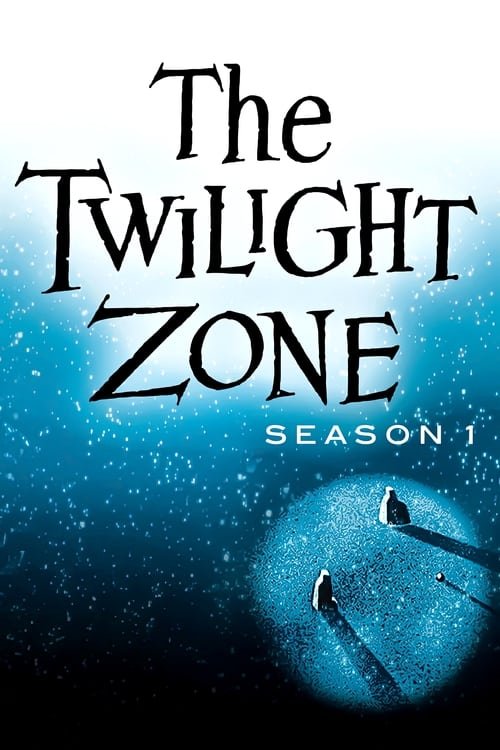
1. The Twilight Zone
Remake dari The Twilight Zone pertama kali ditayangkan pada 2019 dan diproduksi oleh Jordan Peele. Dengan pendekatan yang lebih modern, serial ini membahas isu-isu sosial, politik, dan teknologi yang sangat relevan bagi generasi saat ini. Berbeda dengan versi aslinya yang fokus pada elemen horor dan misteri, remake ini membawa tema yang lebih kontemporer. Kombinasi cerita yang penuh teka-teki dan visual yang memukau berhasil menarik perhatian penonton baru.
2. Charmed
Serial Charmed merupakan salah satu serial populer pada akhir tahun 1990-an yang kemudian di-remake pada 2018. Serial ini mengisahkan tiga saudara perempuan yang memiliki kekuatan sihir dan harus menghadapi berbagai ancaman supernatural. Remake Charmed menampilkan karakter yang lebih beragam dan memasukkan isu-isu sosial yang relevan bagi generasi milenial dan Gen Z, seperti feminisme dan keberagaman budaya. Hal ini membuat serial ini terasa lebih dekat dengan penonton masa kini.
3. Gossip Girl
Gossip Girl kembali hadir dalam bentuk remake pada 2021 dengan cerita yang lebih inklusif. Remake ini menghadirkan pemeran yang lebih beragam dan mengeksplorasi masalah sosial yang relevan di era media sosial dan influencer. Dengan adanya teknologi canggih yang tidak ada di versi aslinya, remake Gossip Girl lebih dekat dengan kehidupan remaja sekarang, terutama mereka yang tumbuh besar di era media sosial. Meskipun menerima kritik dari penggemar setia versi asli, serial ini tetap berhasil menarik perhatian generasi baru dengan pendekatan yang lebih relevan.
4. One Day at a Time
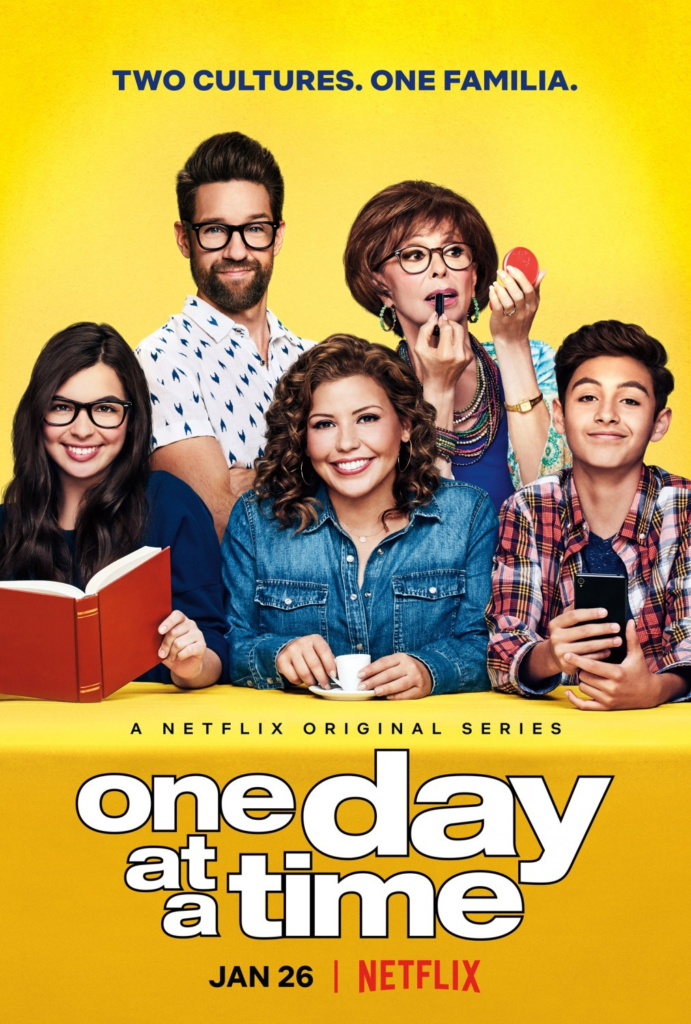
Serial One Day at a Time yang di-remake pada 2017 menawarkan cerita komedi tentang keluarga imigran Latin di Amerika Serikat. Versi terbaru dari serial ini berhasil menyentuh hati penonton karena membahas isu-isu seperti kesehatan mental, gender, dan imigrasi. Dengan pendekatan yang lebih inklusif, One Day at a Time berhasil menjadi serial yang relevan bagi generasi baru, yang lebih peduli terhadap isu sosial dan keberagaman.
5. Hawaii Five-0
Sebagai salah satu serial remake dengan episode panjang, Hawaii Five-0 kembali hadir dengan nuansa aksi yang lebih modern. Remake ini tidak hanya memperlihatkan keindahan Hawaii, tetapi juga memadukan teknologi dan efek visual yang membuat adegan aksi semakin menarik. Dengan karakter yang kuat dan cerita yang dinamis, serial ini mampu menarik penonton dari berbagai usia, terutama mereka yang menyukai aksi dan petualangan.
Kesimpulan
Serial TV remake yang sukses mampu memadukan nostalgia dengan elemen-elemen modern yang relevan bagi generasi baru. Dari isu sosial hingga visual yang canggih, serial-serial ini berhasil mengadaptasi cerita lama untuk bisa dinikmati oleh generasi yang berbeda. Dengan demikian, serial remake tidak hanya memperpanjang popularitas cerita klasik tetapi juga membuka ruang untuk generasi baru menikmati kisah yang sama dengan cara yang berbeda.…