Still Standing: How Lansing's Music Community Clawed Its Way Back After COVID
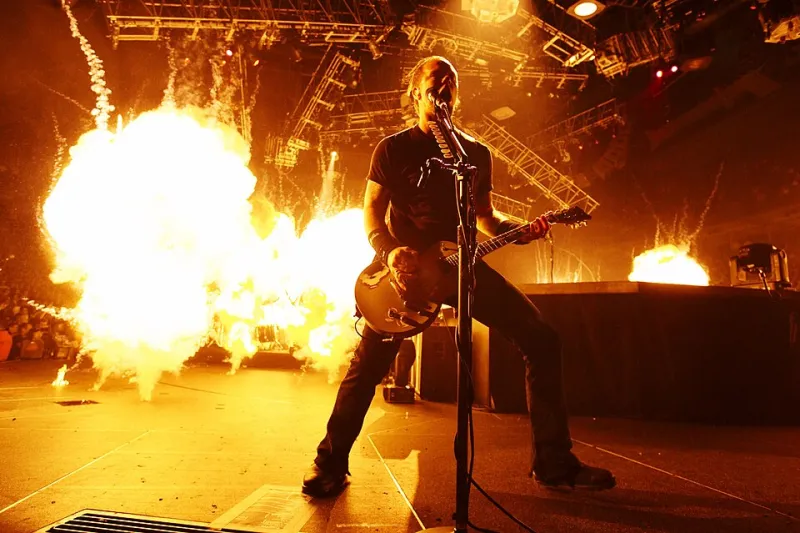
Photo: DallasFletcher, CC BY-SA 4.0, via Wikimedia Commons
In March 2020, the music stopped.
Not gradually. Not with warning. One week the stages were lit and the PA systems were humming, and the next, every venue in Lansing had a padlock on the door and a handwritten sign in the window. For a city with a music scene as scrappy and self-sustaining as Lansing's, it wasn't just an inconvenience — it felt, to many of the people who built it, like watching something they loved get put on life support.
More than four years later, the venues are open again. The shows are back. But the road from shutdown to revival was longer, stranger, and more painful than most outsiders realize. We sat down with musicians, venue owners, and the promoters who kept the lights on — figuratively, at least — to find out what rebuilding actually looked like from the inside.
When the Stages Went Dark
For Marcus Webb, a guitarist and vocalist who has played Lansing stages for the better part of a decade, the initial lockdown felt surreal rather than devastating. "The first two weeks, I think everyone assumed it would blow over," he says. "We were all just sitting on our equipment, waiting for the call that never came."
The call didn't come for a long time. Michigan's restrictions on indoor gatherings hit the hospitality and entertainment industries with particular force, and Lansing's independent venues — already operating on margins thin enough to read through — found themselves in freefall almost immediately.
The Loft, a longtime fixture of Lansing's original music ecosystem, went dark in April 2020. The Green Door, which had been booking local and touring acts for years, shuttered temporarily before eventually closing for good. For every venue that managed to hold on, another became a casualty.
"We burned through our reserves in about six weeks," says Jamie Ostrowski, who co-owns a small music bar on the near east side. "After that, it was just survival mode — PPP loans, GoFundMes, selling merch online, whatever we could do to keep the lights on and not lose the building."
Pivoting to Survive
With physical stages off-limits, Lansing's music community did what it has always done: it improvised.
Live-streaming became the unlikely lifeline for dozens of local performers. Artists who had never set up a camera in their lives were suddenly learning the basics of audio interfaces, OBS software, and tip-jar platforms like Venmo and Bandcamp. The quality ranged from "endearingly rough" to genuinely professional, but the consistency of it — the fact that musicians kept showing up, kept performing, kept connecting with audiences through a screen — mattered enormously.
"I did a live stream every single Friday night for fourteen months," says singer-songwriter Carla Jennings, who performs under the name Carla J. "Some nights I had two hundred people watching. Some nights I had eight. But I kept going because it was the only thing keeping me sane."
Those streams weren't just about income — though the tips and merch sales genuinely helped. They were about maintaining the social fabric of a community that had been abruptly severed. Comment sections became makeshift green rooms. Regular viewers became regulars in a whole new sense of the word.
Outdoor performances also emerged as a creative workaround once restrictions began to loosen. Parking lot concerts, backyard shows, and pop-up performances in public parks gave musicians a way to play for live audiences again while remaining within the ever-shifting guidelines. They were imperfect solutions, subject to weather and noise ordinances and the general chaos of 2020, but they kept the scene breathing.
The Long Road Back to the Stage
When Michigan venues were finally permitted to reopen — first at reduced capacity, then gradually toward something resembling normal — the return wasn't the triumphant moment many had imagined.
"I thought reopening would feel like a celebration," Jamie Ostrowski admits. "And there were moments of that. But there was also so much anxiety. Would people come back? Would our staff come back? Would the bands still want to play? Everything felt fragile."
The answer, it turned out, was complicated. Audiences did return — but not all at once, and not evenly. Younger crowds bounced back faster. Older regulars took longer to feel comfortable in close indoor spaces. Some never fully returned. Venue owners describe a long period of unpredictable attendance where a Friday night could be packed or completely dead, with no reliable way to forecast which it would be.
For musicians, the return brought its own set of challenges. Touring acts that had previously filled mid-size rooms in Lansing were now dealing with their own recovery timelines, and booking a full calendar of shows required more hustle than ever. Local promoters who had survived the pandemic by pivoting to virtual events found themselves rebuilding relationships with agents and managers who were just as overwhelmed.
"It took about a year after reopening before things started to feel like a real scene again," says promoter Devon Sharpe, who books shows at several East Lansing venues. "Before that, it was like everyone was still finding their footing."
What the Scene Looks Like Now
If there's a silver lining to the whole brutal experience, it might be this: the Lansing music community that emerged from the pandemic is, in some ways, more intentional than the one that went into it.
The crisis forced a reckoning with some long-standing issues — the economic precarity of independent musicians, the lack of sustainable infrastructure for live music, the way venues and artists had often operated in parallel rather than in genuine partnership. Out of necessity, those relationships deepened.
Several local musicians formed collectives during the pandemic that have since evolved into booking cooperatives and resource-sharing networks. A handful of venues started paying artists better and offering more transparent deals, partly out of gratitude for the loyalty musicians showed during the shutdown. The streaming habits developed during lockdown translated into stronger online presences and broader reach for artists who had previously relied almost entirely on foot traffic.
"I have fans in Ohio and Wisconsin now because of the live streams," Carla Jennings says. "That never would have happened before. COVID forced me to think bigger about what my audience could look like."
The local calendar is full again. Venues like the Loft have reopened or found new homes. New spaces have emerged to fill some of the gaps left by closures. The summer and fall concert seasons have been increasingly robust, with a growing appetite for original music alongside the cover bands and tribute acts that tend to anchor weeknight bookings.
Why It Matters
Lansing's music scene has never been the kind that makes national headlines. It doesn't have the brand recognition of Detroit's storied history or the festival cachet of cities with bigger tourism budgets. What it has always had is something harder to quantify: a genuine community of people who make and support music because they love it, not because it's trendy.
That community nearly broke. The fact that it didn't — the fact that musicians kept performing and venues kept fighting and audiences kept showing up — says something real about this city.
"Lansing takes care of its own," Marcus Webb says simply. "When things got bad, people showed up for each other. That's what I'll remember most."
The music didn't stop. It just had to find a new way to play.