Basement Shows and Borrowed Stages: Inside Lansing's DIY Music Underground
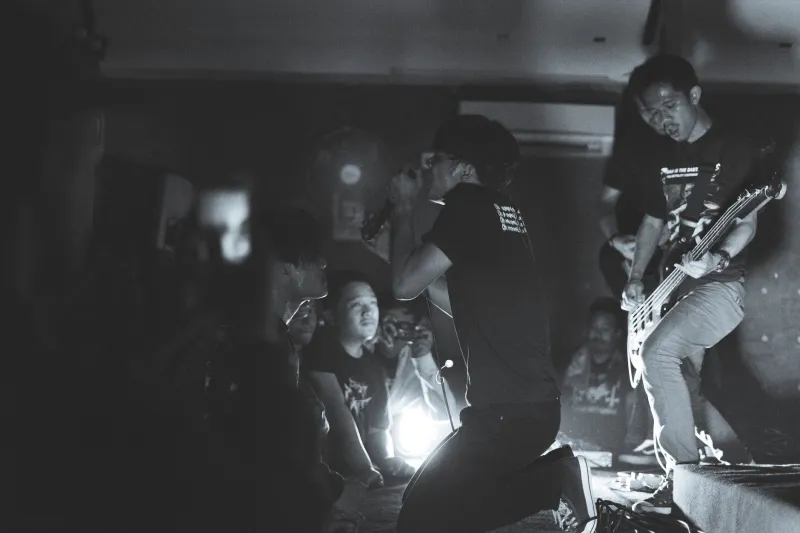
There's no marquee out front. No coat check. No overpriced well drinks. Just a hand-painted sign taped to a door, a $7 cash cover, and the kind of energy you can't manufacture with a sound engineer and a lighting rig. Welcome to Lansing's underground.
Over the past few years, a loose but passionate network of musicians, artists, and community organizers has been quietly converting the city's overlooked spaces — crumbling basements, vacant storefronts, old warehouses with leaky roofs — into some of the most genuinely exciting music venues in mid-Michigan. These aren't polished clubs. They're living rooms with PA systems. They're loading docks turned into stages. They're the kind of places where the performer and the audience share the same bathroom.
And somehow, that's exactly the point.
"We Didn't Wait for Permission"
Take Marcus Webb, a 29-year-old drummer and self-described "professional chaos coordinator" who helped launch a recurring show series out of a rented basement space near REO Town. He started it after getting frustrated trying to book local acts at conventional venues.
"The bar scene is great for what it is, but it's not built for experimentation," Webb says, leaning against a spray-painted cinder block wall that doubles as the venue's unofficial guest book. "If you want to play a 40-minute noise set or bring in a poet to open for a punk band, nobody's booking that. So we just did it ourselves."
What started as a one-off show for maybe 30 friends has grown into a monthly event drawing crowds of 80 to 100 people. Word spreads mostly through Instagram, group chats, and old-fashioned flyers stapled to telephone poles. There's no official name on the lease, no liquor license, and a deliberately low profile — but the community around it has become fiercely loyal.
"People bring their own beer, they stay after and talk, they come back," Webb says. "That's not something you can buy."
The Spaces Themselves Tell a Story
What makes Lansing's underground scene particularly interesting is how directly it's tied to the city's physical landscape. Lansing has no shortage of empty storefronts and underused industrial buildings, especially in neighborhoods that have been slowly coming back to life. For DIY organizers, those gaps in the streetscape aren't blight — they're opportunity.
One collective operating out of a former print shop near Michigan Avenue has turned the space into a rotating gallery and performance room. On any given weekend, you might walk into an ambient electronic set, an open mic for spoken word artists, or a zine release party with a three-piece folk act playing in the corner. The walls are covered in work from local visual artists, most of it for sale at prices that don't require a second mortgage.
Sophie Arden, one of the collective's founding members, describes the whole operation as "organized improvisation."
"We're making it up as we go, but we're making it up with intention," she says. "The space kind of tells us what it wants to be each month. Sometimes that's loud and chaotic. Sometimes it's quiet and weird. We lean into it."
A Pipeline for Local Talent
Beyond the atmosphere, these spaces are serving a genuinely practical function: they're giving Lansing musicians a place to develop.
For younger artists especially, the underground circuit offers something that open mic nights and bar gigs often don't — a real audience that's there specifically to listen. Several local acts that have gone on to play bigger regional stages, including a few that have landed spots at Michigan festivals, cut their teeth in these basement rooms.
Jordan Fitch, who plays in an indie-punk duo that's been making noise in the local scene for about two years, says the DIY spaces gave him room to fail.
"When you play a bar, half the crowd is just there for drinks and they're not really paying attention. That's fine, but it doesn't push you," Fitch explains. "In these smaller spaces, everyone is facing you. You can't hide behind the volume. It made us so much tighter as a band."
The feedback loop is real, too. At a basement show, the conversation between artists and audience is immediate and unfiltered. Performers hear what landed and what didn't. Listeners discover sounds they wouldn't have found through an algorithm.
The Challenges Are Real Too
None of this comes without complications. Running an unofficial venue means navigating noise complaints, capacity concerns, and the constant financial pressure of keeping a space operational without a reliable revenue stream. Most shows are donation-based or low-cost by design, which means organizers are often subsidizing the whole thing out of pocket.
There's also the question of longevity. DIY spaces have a way of disappearing as quickly as they appear — leases end, landlords sell, organizers burn out. The Lansing underground has already lost a handful of beloved spots over the years, each one leaving a gap that takes time to fill.
Webb is philosophical about it. "Everything ends eventually. The point is what you build while it's alive."
For now, what's being built feels meaningful. Lansing's underground isn't trying to compete with Detroit or Chicago. It's not chasing a scene. It's just a bunch of people who love music and their city, making space for both in whatever rooms they can find.
If you know where to look — or know the right person to text — the door's probably open this weekend.