From Shuttered to Studio: How Lansing Artists Are Claiming Vacant Storefronts as Their Own
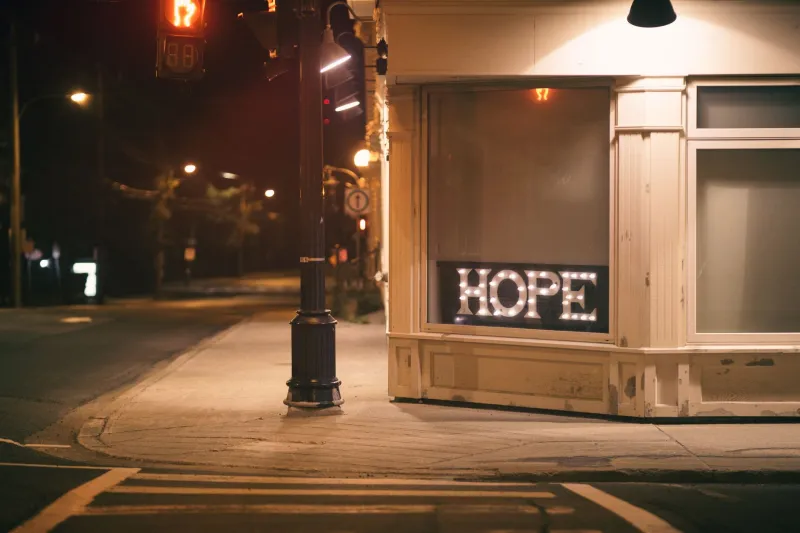
Walk down certain stretches of Michigan Avenue or poke around the side streets off Cedar, and you'll notice something a little unexpected happening behind those plywood-covered windows and hand-lettered "For Lease" signs. Lights are on. Music is playing. Someone in paint-splattered jeans is hauling a canvas through a door that hasn't seen regular foot traffic in years.
Lansing's vacant storefronts — the casualties of shifting retail habits, pandemic closures, and economic turbulence — are quietly getting a new identity. Artists are moving in, and they're not waiting for a developer's blessing to do it.
The Vacancy Problem Nobody's Talking About Enough
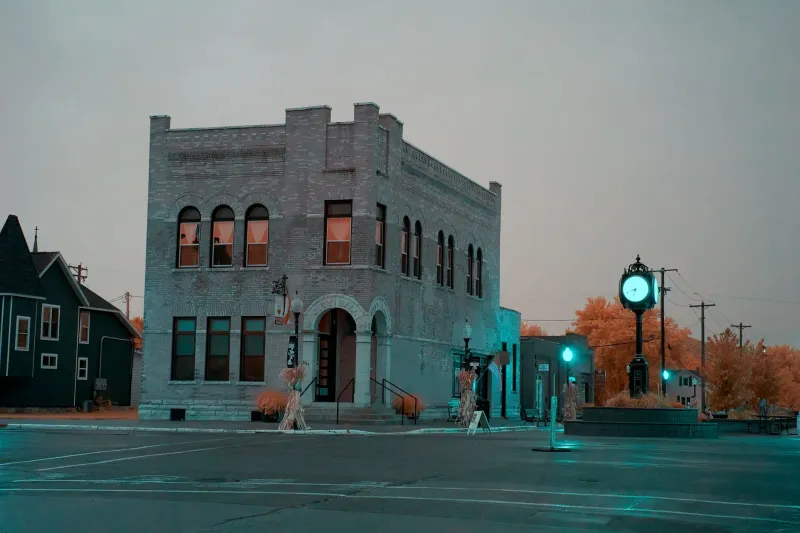
Lansing has a commercial vacancy issue that's been building for years. Strip malls that once anchored neighborhoods sit half-empty. Downtown storefronts cycle through short-term tenants or just stay dark. For property owners, an empty building is a liability. For a sculptor who needs 1,500 square feet and can't afford to pay River Town Crossings prices for it? That same empty building starts to look like a miracle.
The math is surprisingly simple. A landlord collecting zero dollars a month on a vacant space has very little to lose by renting to an artist for a fraction of what they'd charge a traditional retailer — especially if that artist is willing to handle basic upkeep, make minor repairs, and generally treat the space like it's their own. Which, increasingly, they do.
"I was paying for a storage unit and trying to paint in my apartment," says Dara Okonkwo, a mixed-media artist who's been working out of a former cell phone repair shop near the Eastside neighborhood for about two years. "My neighbor heard the landlord complaining about the space sitting empty. I knocked on the door with a six-month proposal and a security deposit. Now I've got a real studio."
The Informal Network Making It Happen
There's no official directory for this kind of thing — no city program, no nonprofit clearinghouse (at least not yet). What exists instead is something more Lansing: a loose, word-of-mouth network of artists, community organizers, and sympathetic building owners who pass information around through group chats, neighborhood Facebook groups, and conversations at open mics.
Several local artists point to a handful of key connectors — people who seem to know every vacant building in a five-mile radius and aren't shy about making introductions. One name that comes up repeatedly is Marcus Tillman, a photographer and longtime Lansing resident who started keeping an informal spreadsheet of available spaces after watching a friend lose her studio lease with no backup plan.
"I just started paying attention," Tillman says. "When I'd see a space go dark, I'd note it. When someone in my circle needed room to work, I'd reach out to the owner. A lot of these landlords are just relieved someone wants to use the space responsibly. They're not looking for drama. They're looking for someone who'll show up and not trash the place."
Tillman estimates he's helped connect more than a dozen artists with temporary or semi-permanent studio situations over the past three years. He's quick to say it's not a formal operation — just neighbors looking out for neighbors.
What These Spaces Actually Look Like
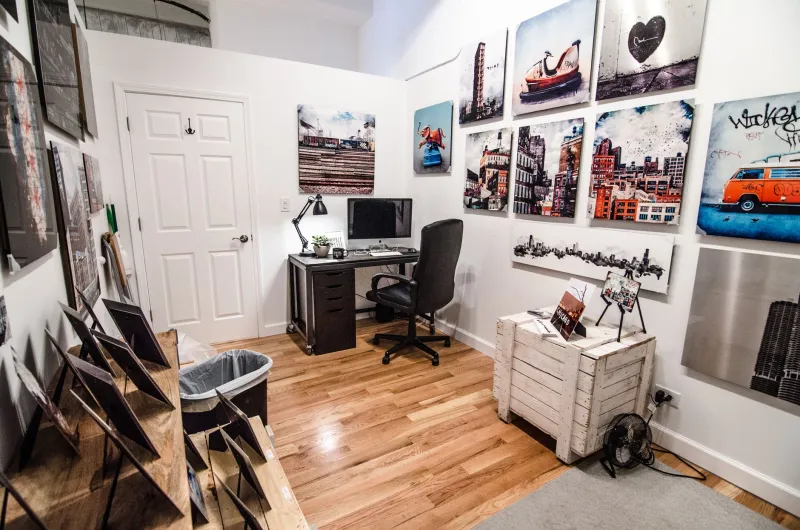
Forget the polished, Instagram-ready studio aesthetic. These spaces are functional, lived-in, and deeply personal. Old shelving units become storage for art supplies. Retail display cases get repurposed as work tables. Drop ceilings get torn out to reveal higher clearance for larger installations. One ceramicist reportedly hauled in a kiln through a loading dock that hadn't been used since the Clinton administration.
The renovations are almost entirely DIY — artists trading skills, borrowing tools, and figuring it out on YouTube. A musician who moved into a former insurance office near REO Town describes spending three weekends with friends installing acoustic panels made from recycled materials. "It's not perfect," he admits, "but it sounds better than my garage and it costs less than any rehearsal space I've ever rented."
That improvised quality is part of the charm, but it also reflects a real gap in Lansing's creative infrastructure. Affordable, accessible studio space for working artists — not gallery space, not performance space, but actual space to make things — has always been scarce here. These storefront conversions aren't filling that gap elegantly. They're patching it with duct tape and determination.
The Ripple Effects on Neighborhoods
Here's the thing about putting artists in empty buildings: neighborhoods notice. Foot traffic picks up. Windows that were dark start glowing at odd hours. People start asking questions about what's happening inside.
Several of the artists working in these spaces have started hosting informal open studio events — a few hours on a Saturday, a casual gathering after a nearby gallery opening. It's low-key, but it's generating the kind of organic community energy that no amount of developer-funded "activation" can replicate.
"People walk by, they see the light on, they knock," says Okonkwo. "I've sold pieces to neighbors I never would have met otherwise. One woman came in to see what I was doing and ended up commissioning a portrait of her mother. That doesn't happen if I'm working in my apartment."
Property owners are noticing too. A few landlords who initially offered short-term arrangements have extended leases after seeing the positive effect on surrounding storefronts. One building owner on the near-east side reportedly reduced rent for a printmaker after realizing the studio's weekend hours were drawing people to the block who then wandered into the coffee shop next door.
The Limits of Scrappiness
None of this is a permanent solution, and the artists involved are clear-eyed about that. Leases are often informal. Spaces can be reclaimed quickly if a traditional commercial tenant comes along. Zoning complications occasionally arise. And the physical condition of some of these buildings — aging HVAC systems, questionable electrical, limited natural light — creates real challenges for artists working with materials that require specific environmental conditions.
There's also an equity dimension worth acknowledging. The artists best positioned to take advantage of these opportunities tend to be those with enough social capital to navigate landlord relationships, enough financial cushion to cover a deposit, and enough flexibility in their schedule to manage a DIY renovation. That leaves out a lot of people.
What Lansing's arts community is quietly asking — and what city planners would do well to hear — is whether some version of this informal network could be formalized in a way that lowers barriers without losing the scrappy, community-driven spirit that makes it work.
A City Writing Its Own Playbook
Lansing has never been the kind of city that waits for someone else to come in and fix things. The same instinct that built the community garden movement, that kept the music scene alive through a pandemic, that turned Old Town from a forgotten stretch into a destination — that instinct is at work here too.
Vacant storefronts are a problem. Artists need space. Someone figured out those two facts could solve each other. The rest is just showing up with a deposit and a willingness to haul a kiln through a loading dock.
That's pretty Lansing, honestly.