Nobody Bet on Lansing — Then Everything Changed
There's a particular kind of stubbornness that runs through Lansing. Not the loud, chest-thumping kind. More like the quiet, heads-down variety — the kind that keeps a city moving forward even when the national headlines have already written it off. And for a good stretch of the 2010s, those headlines were brutal. Population decline. Factory closures. A tax base that kept shrinking no matter how many budget meetings the city council sat through.
But here's the thing about Lansing: it didn't wait for someone else to fix it.
The Moment Things Started to Shift
If you ask city planners and longtime residents when the tide actually turned, most of them point to the same general window — roughly 2014 to 2016 — when a cluster of decisions, some deliberate and some almost accidental, started pulling in the same direction.
"There wasn't one magic bullet," says a longtime economic development staffer who's worked in the city for over fifteen years. "It was more like a bunch of small bets that started paying off at the same time."
One of those bets was a serious recommitment to the riverfront. For years, the Grand River corridor had been an afterthought — a stretch of underutilized land that separated neighborhoods more than it connected them. When the city started investing in trail infrastructure, public gathering spaces, and partnerships with local nonprofits to program the area, something shifted. People started showing up. And when people show up, businesses follow.
Another turning point was a deliberate pivot toward small-scale entrepreneurship. Rather than chasing one big corporate relocation — a strategy that had burned Rust Belt cities for decades — Lansing's economic development apparatus started paying attention to what was already growing locally. Microloans, small business incubators, and a renewed focus on neighborhood commercial corridors gave homegrown operators room to take root.
Grassroots Did What Policy Couldn't
Here's where the story gets genuinely interesting. Because for all the strategic planning, a lot of what actually moved the needle in Lansing came from residents who weren't waiting for a policy memo.
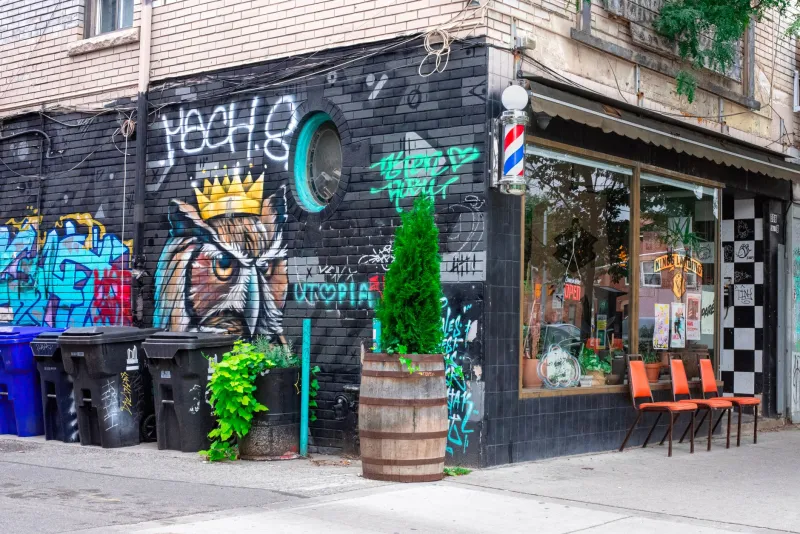
The community garden movement — which exploded across the city's east and north sides — wasn't a city initiative. It started with neighbors, vacant lots, and a collective decision that unused land could mean something. The DIY arts and music scene that built itself up in basements and borrowed storefronts wasn't funded by a cultural development grant. It happened because creative people who couldn't afford bigger cities found each other here and made something out of nothing.
"The city didn't create the culture," says one Old Town business owner who's been watching the neighborhood evolve for over a decade. "The culture was already here. The city just eventually stopped getting in its own way."
That's a blunt assessment, but it's one you hear a lot when you start asking around. The grassroots energy was always present in Lansing. What changed was a gradual alignment between that energy and the institutional structures that could support or stifle it.
The Policy Shifts That Actually Mattered
Not everything was organic, of course. Some of the most consequential changes came directly from City Hall and the planning department.
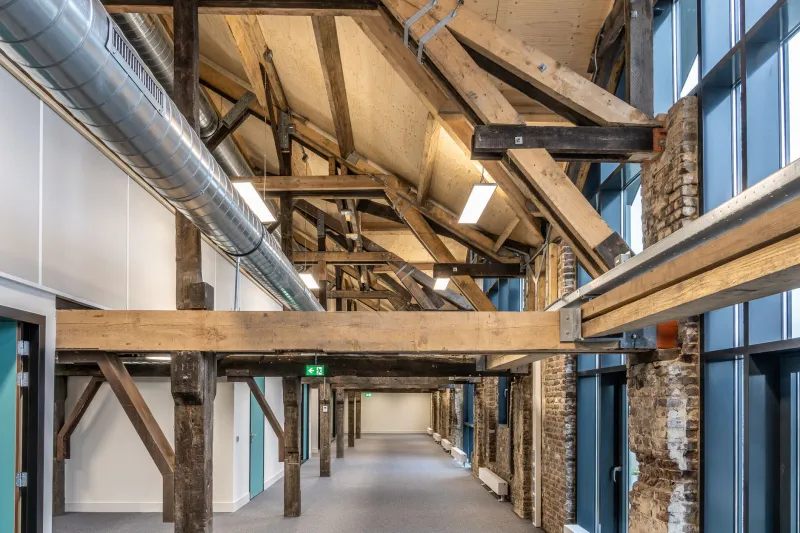
Zoning reform, while unglamorous, was a bigger deal than most residents realized. Loosening restrictions around mixed-use development — allowing residential units above storefronts, making it easier to convert old commercial buildings into live-work spaces — opened up possibilities that had been legally blocked for years. Old factories and long-empty retail strips suddenly had viable second lives.
The city also made a quiet but meaningful shift in how it approached vacant properties. Rather than letting tax-delinquent parcels sit in bureaucratic limbo for years, a more aggressive acquisition and disposition strategy got land moving again. Some of it went to affordable housing developers. Some of it went to community land trusts. Some of it — and this is the part that surprised a lot of people — went to artists and small operators at below-market prices, with strings attached around community benefit.
"We had to get comfortable with the idea that not every piece of land needed to go to the highest bidder," one city planner explains. "Sometimes the highest value wasn't financial."
Michigan State's Role — and Its Complications
No honest accounting of Lansing's trajectory skips over the elephant in the room: Michigan State University. The university is an economic engine, a talent pipeline, and a cultural anchor all at once. But the relationship between MSU and the broader Lansing community has always been complicated — town-and-gown tension that's as old as the institution itself.
What's changed over the past decade is a more intentional effort to channel MSU's resources outward. Extension programs, community partnerships, and a push to keep more graduates in the region rather than watching them scatter to Chicago or Detroit have all played a role. It's imperfect, and plenty of longtime residents still feel like the university exists in its own orbit. But the connective tissue between campus and community is measurably stronger than it was ten years ago.
What Other Cities Keep Getting Wrong
Lansing gets held up as a Rust Belt case study now, which is both flattering and a little ironic given how recently it was being used as a cautionary tale. City planners from places like Flint, Youngstown, and Gary have come through to look at what's working. And the lesson they most often take back isn't what you'd expect.
It's not the riverfront. It's not the zoning reforms. It's the culture of incremental commitment — the willingness to make a lot of small, unglamorous investments and trust that they'd compound over time.
"Everyone wants the big announcement," says one economic development director. "The ribbon cutting, the press release, the 500 jobs. Lansing learned — slowly and painfully — that the big announcement often doesn't deliver. The boring, steady work does."
Lansing Isn't Done Yet
Let's be clear: this isn't a victory lap. Lansing still has real challenges — affordable housing pressure, persistent inequity across neighborhoods, a school system that needs sustained investment, and an infrastructure backlog that would make any city treasurer lose sleep.
But there's a different energy here now. You feel it on Michigan Avenue on a Friday night. You feel it in the new restaurants opening in spaces that sat dark for years. You feel it in the conversations between twenty-somethings who chose to stay here — or came back — because they saw something worth being part of.
The blueprint Lansing built wasn't handed down from consultants or copied from a bigger city's playbook. It got assembled piece by piece, argument by argument, sometimes in spite of itself. And that might be exactly why it worked.